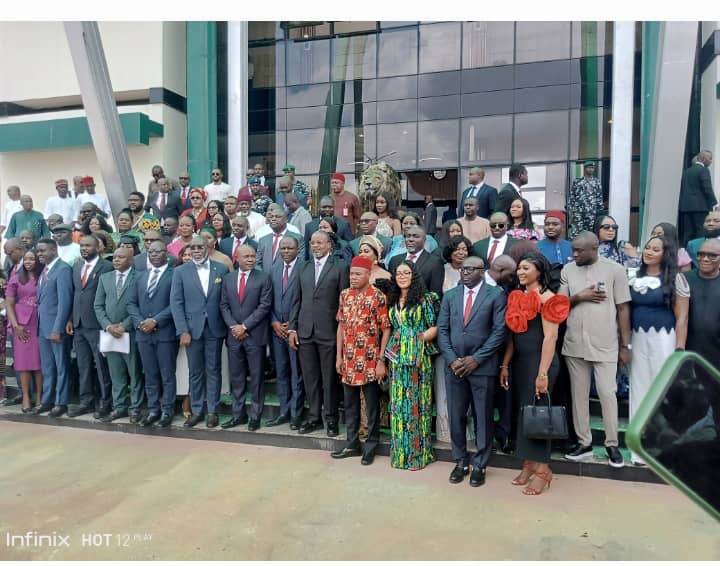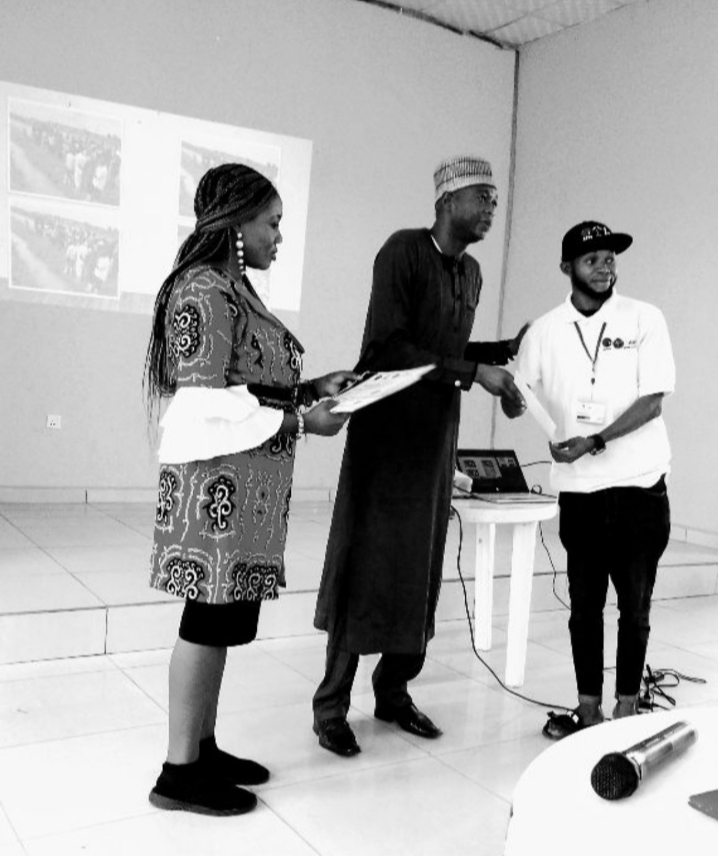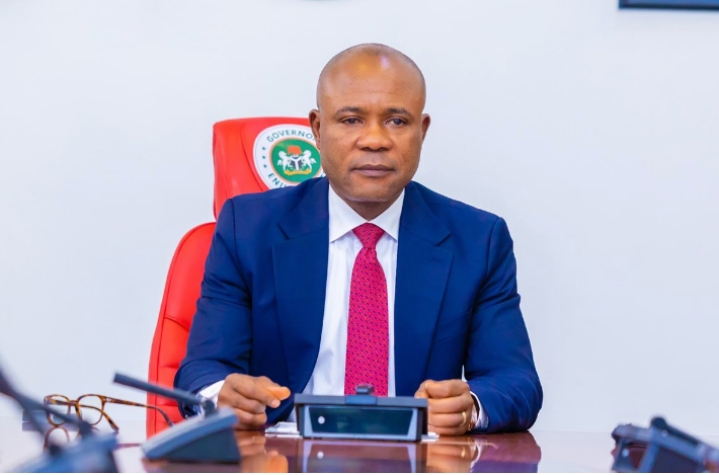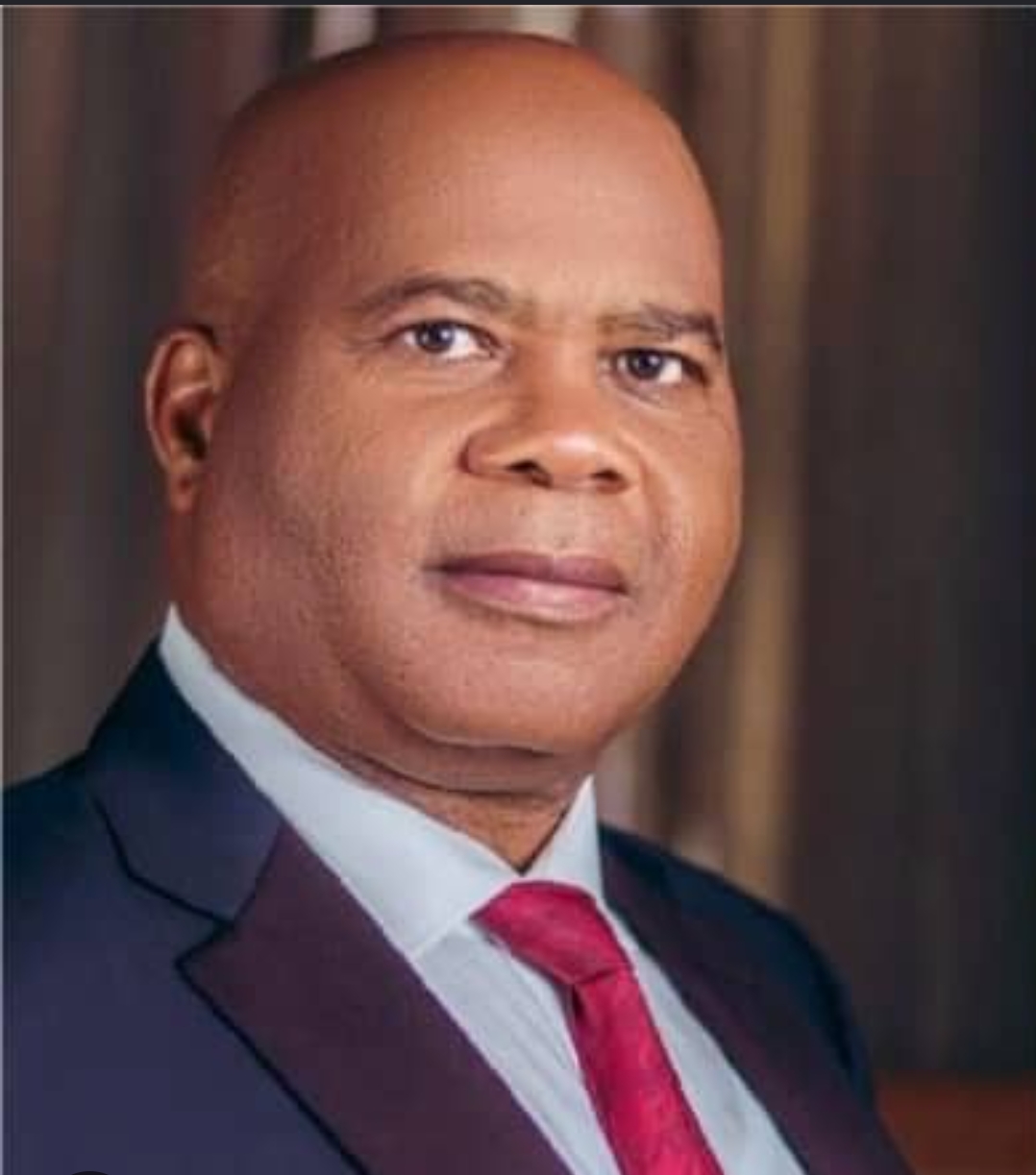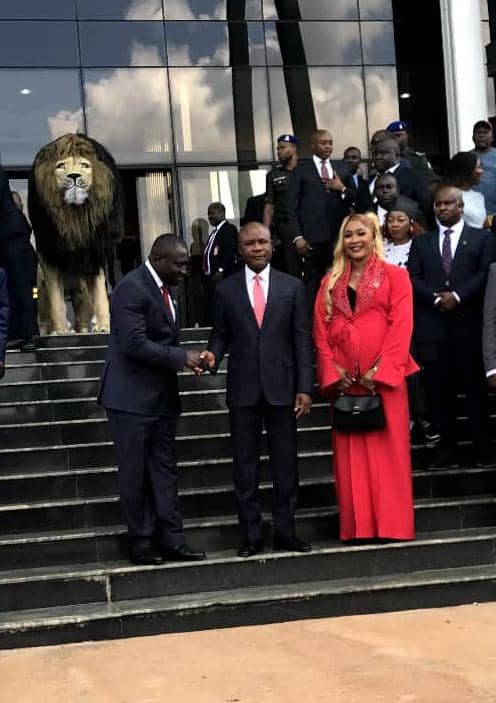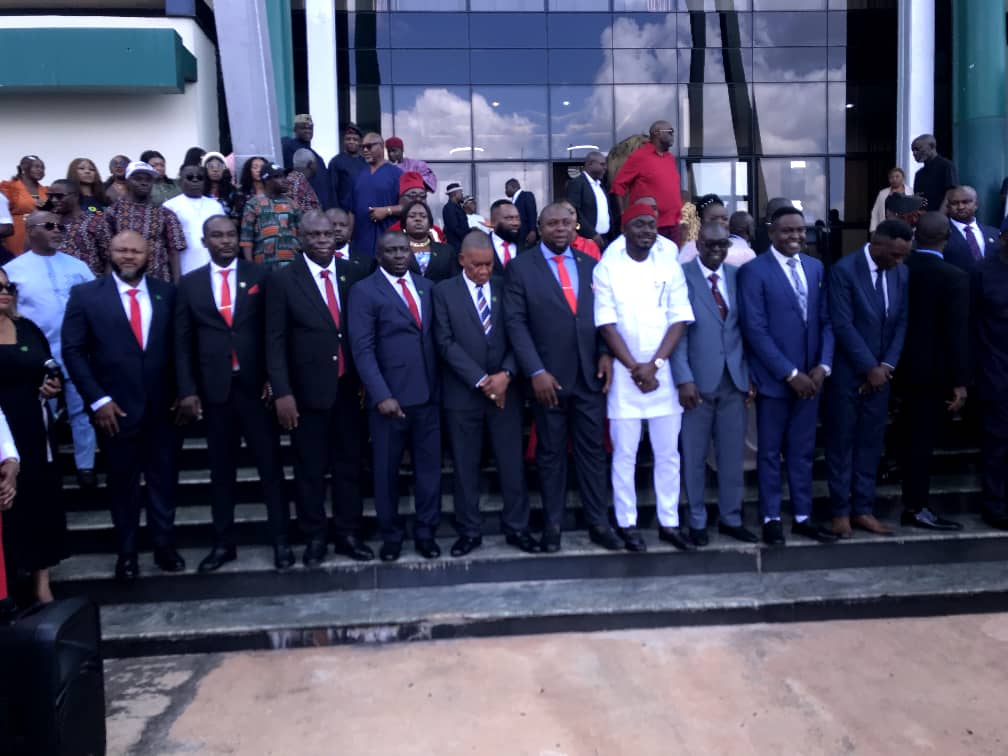


ONE CONSTITUENCY, ONE VISION, ONE STRONG VOICE Hon. Dr. John Nwokeabia for Aninri/Awgu/Oji River Federal Constituency — 2027
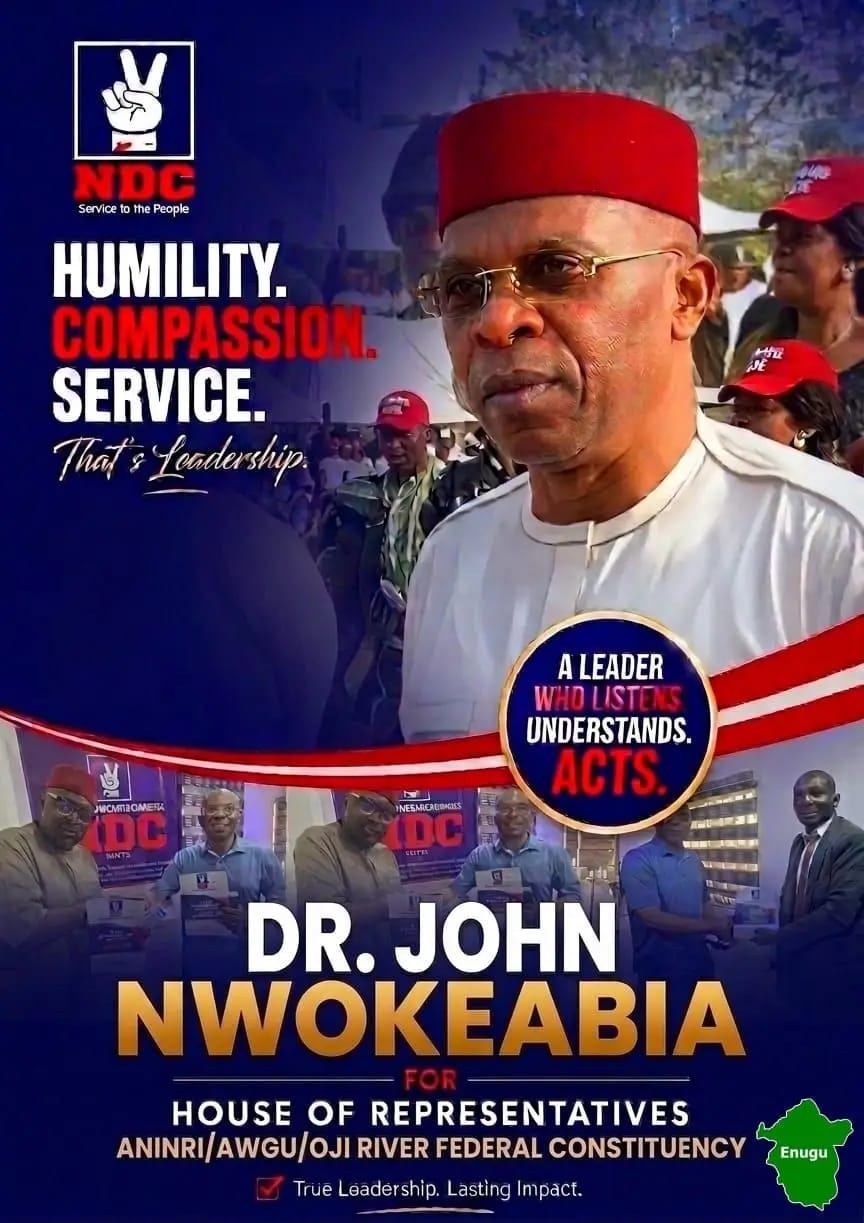

The question before the people of Aninri, Awgu and Oji River in 2027 is not simply who will occupy a seat in Abuja, but what kind of representation the constituency wants for the years ahead.
Across the three Local Government Areas, conversations about roads, education, healthcare, agriculture, youth opportunities, electricity, rural infrastructure and effective federal representation remain central to the development aspirations of the people.
It is against this backdrop that Hon. Dr. John Nwokeabia has emerged as a prominent name in the 2027 conversation for the Aninri/Awgu/Oji River Federal Constituency.
Recent reports indicate that stakeholders and political actors from the constituency have called on Nwokeabia to contest the House of Representatives seat, citing the need for stronger representation and renewed attention to infrastructure and development challenges confronting the constituency.
Nwokeabia is not new to public political engagement. He previously served as the Labour Party's deputy-governorship candidate in Enugu State during the 2023 election cycle.
His political journey has therefore placed him within the wider conversation about leadership, governance and the future direction of Enugu State.
For the Aninri/Awgu/Oji River constituency, however, the 2027 contest presents a different responsibility: translating political experience and public engagement into effective legislative representation.
The House of Representatives is not a ceremonial institution. A federal lawmaker represents constituents in national policy discussions, participates in legislation, scrutinises government programmes and budgets, and can advocate for projects and interventions capable of improving communities.
That is where the “One Constituency, One Vision, One Strong Voice” message becomes significant.
Aninri, Awgu and Oji River have their individual communities, identities and priorities, but they also share one federal constituency.
A strong constituency agenda should therefore recognise the needs of every section—from the rural farmer to the trader, from students and artisans to professionals, from women-led businesses to young entrepreneurs, and from traditional institutions to community development associations.
The campaign conversation around Nwokeabia can consequently be built around a simple principle:
Every community matters. Every ward counts. Every citizen deserves representation.
Rather than allowing development demands to remain isolated community complaints, the objective should be to consolidate them into a coherent federal constituency development agenda.
One of the major issues highlighted in reports surrounding the calls for Nwokeabia's candidacy is infrastructure, particularly concerns about the condition of the Oji River–Achi–Awgu roads, Ivo dam in Aninri
For residents and road users, infrastructure is not merely a political talking point. Good roads determine how quickly farmers move produce to markets, how businesses transport goods, how students access schools and how patients reach hospitals.
A representative's responsibility should therefore include sustained advocacy for federal roads and infrastructure within the constituency, while working with relevant ministries, agencies and stakeholders to pursue realistic interventions.
The future of Aninri, Awgu and Oji River is inseparable from the future of its young people.
A meaningful constituency agenda should therefore place emphasis on skills acquisition, entrepreneurship, technology, vocational training, educational support and access to employment opportunities.
The objective should not simply be to distribute temporary items but to develop programmes that give young people the tools to become economically productive and independent.
For a constituency with a large population of young people, representation must increasingly translate into opportunity.
The constituency remains significantly connected to agriculture and rural economic activity.
A legislative agenda can therefore advocate for federal agricultural programmes, irrigation opportunities, processing facilities, access to finance, storage infrastructure, extension services and stronger links between farmers and markets.
Development should not stop at urban centres. The village economy must also receive attention.
Quality healthcare and education are fundamental measures of development.
A constituency representative should be able to identify gaps in schools and healthcare facilities and pursue appropriate federal interventions through relevant agencies, budgets and constituency projects.
The goal should be straightforward: better opportunities for children, better access to healthcare for families and stronger social infrastructure for communities.
Perhaps the most important test of representation is accessibility.
A federal representative should not disappear from the constituency after an election.
Regular consultations with traditional rulers, community leaders, youth organisations, women groups, professionals, religious bodies, farmers, traders and other stakeholders can help ensure that legislative priorities reflect the actual needs of the people.
For Nwokeabia's campaign, this provides an opportunity to make consultation and accountability central themes.
The people should not merely hear from their representative during elections; they should be heard by their representative throughout the tenure.
WHY NWOKEABIA, WHY NOW?
Supporters of Nwokeabia's candidacy have presented his emergence as part of a demand for a different approach to representation. In May 2026, stakeholders reported by The Guardian publicly called on him to contest, citing infrastructure and representation concerns within the constituency.
That development does not eliminate the need for voters to examine every candidate's qualifications, programme, record and capacity.
Instead, it places the focus where it belongs: what does each candidate intend to do with the mandate of the people?
For Nwokeabia, the campaign opportunity is to present a clear, measurable and constituency-wide programme—one that residents can examine before making their decision.
The 2027 election should be bigger than personalities, slogans and party colours.
It should be about a development conversation.
What should happen to the major roads?
How can federal employment and training opportunities reach more young people?
How can farmers gain better access to markets and agricultural support?
Which communities require urgent healthcare and educational intervention?
How can constituency projects become more transparent?
How can the representative maintain regular communication with constituents?
These are the questions that should define the campaign.
And this is where the message “One Constituency, One Vision, One Strong Voice” can become more than a slogan—it can serve as a proposed framework for bringing the needs of Aninri, Awgu and Oji River into one coherent legislative agenda.
The people of Aninri/Awgu/Oji River will ultimately decide who receives their mandate.
For Hon. Dr. John Nwokeabia, the task ahead is to convince voters through a clear programme, credible commitments, transparent engagement and a demonstrated understanding of the constituency's needs.
For the electorate, the responsibility is equally important: examine the candidates, compare their records and programmes, ask difficult questions and make an informed decision.
One constituency. Three LGAs. Shared challenges. Shared aspirations. One opportunity to demand purposeful representation.
ONE CONSTITUENCY.
ONE VISION.
ONE STRONG VOICE.
Hon. Dr. John Nwokeabia — Aninri/Awgu/Oji River Federal Constituency, 2027.
The mandate belongs to the people.
Leave a Reply
Your email address will not be published. Required fields are marked *